
Sunflower Coaster Crochet Pattern (Free + Beginner-Friendly)


I wanted a crochet project that finished in one sitting, looked sunny on a wooden table, and could actually catch the ring of condensation a cold drink leaves behind. A sunflower coaster ticks all three boxes.
This is a free, beginner-friendly pattern. It uses only the magic ring, chain, slip stitch, and double crochet. If you can do those four moves, you can finish this coaster in about 45 minutes.
The crocheter I commissioned worked the original sample in cotton summer yarn, dark brown for the center, bright yellow for the 11 petals. Below is the full pattern with step-by-step photos for each round.
Same sunflower, other uses: turn it into a sunflower keychain, a crochet sunflower bouquet, or a sunflower turtle with the petals worked right into the shell.

Quick Info
- Skill level: Beginner
- Finished size: 12 to 14 cm in diameter
- Time: About 45 minutes per coaster
- Stitches used: ch, sl st, dc, magic ring
- Best for: Mug coasters, gift sets, kitchen styling
Materials

- Summer yarn (medium thickness) in dark brown and yellow, or any yarn of your choice
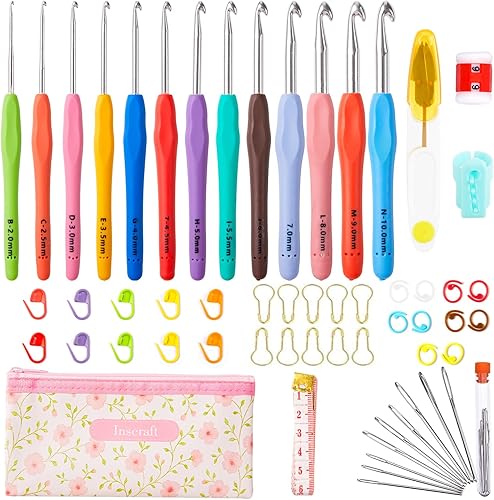
- 3 mm crochet hook
- Tapestry needle
- Scissors
Cotton is the right pick for anything that touches a hot drink. Acrylic works visually, but cotton handles heat better and won’t smell after a hot mug sits on it.
Which Yarn Actually Works for a Coaster
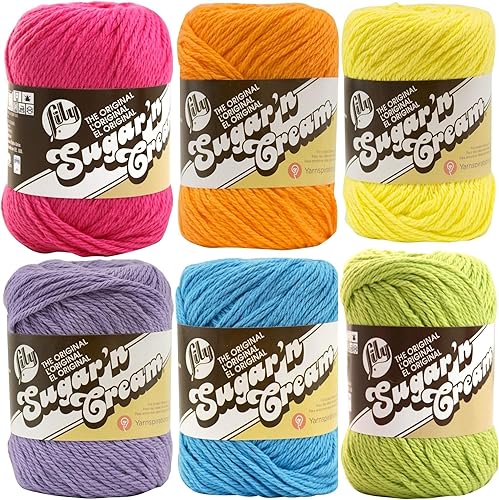
I get asked about yarn more than about the pattern itself. It is the one choice that decides whether the coaster does its job or just looks nice.
Cotton absorbs. When a cold glass sweats, the water goes into the fibre and stays there until it dries out. That is the entire job, and it is why every coaster I make is cotton.
Acrylic does not absorb. Water beads on it and runs off the edge onto the table, so the ring you were trying to prevent lands anyway.
It will not melt under a mug at drinking temperature. But months of hot mugs flatten the fibres and give them a faint shine, and the coaster starts looking tired rather than handmade.
Wool absorbs beautifully and handles heat well. It also felts the first time it goes through a wash, and a coaster is a thing that gets washed.
So: worsted or medium-weight cotton, and go one hook size smaller than the ball band suggests. The tighter fabric is what stops a mug base sinking down between the stitches.
Mercerised cotton gives you a little sheen and crisper petal edges. Matte kitchen cotton is softer and drinks up spills faster. Both work for this pattern.
That rule holds for every coaster, not just this one. It is the first thing I check in my roundup of free crochet coaster patterns, where half the designs fall down on yarn choice alone.
Abbreviations
- ch = chain
- sl st = slip stitch
- dc = double crochet
- MR = magic ring
- st = stitch
- inc = increase (2 dc in same stitch)
- rep = repeat
Center (Dark Brown)

- Round 1: Work 15 dc in MR. [15]
- Round 2: Inc in each st around. [30]
- Round 3: (1 dc, inc) repeated 15 times. [45]
- Switch to yellow yarn.
Tip: Magic ring tightening. The center starts with 15 dc into a magic ring. Pull the loop closed before joining round 2 or you’ll end up with a coffee cup peeking through the middle.
Tip: Counting stitches at the join. Round 1 should land at 15, round 2 at 30, round 3 at 45. If you’re off by one, find it before round 4 starts. Petal placement depends on a clean 45-stitch round.
Tip: Switching colors cleanly. When you fasten off the brown and attach the yellow, leave a 10 cm tail on each. Bury the tails through the back of the brown stitches with a tapestry needle so the front stays solid yellow at the petal base.
Petals (Yellow)
Attach yellow yarn in any stitch on the round 3 outer edge.

- Round 4: Ch 3 (counts as the first dc), 1 dc in the same st, ch 3, 2 dc in the next st.
- (Skip next 2 sts, 2 dc in next st, ch 3, 2 dc in next st) repeat all the way around.
- Sl st to the top of the beginning ch-3 to join.
Tip: The “skip 2, 2 dc” beat. Round 4 is a rhythm, not a count. After every 2 dc + ch 3 + 2 dc cluster you skip 2 stitches, then drop another cluster. Say “skip skip cluster” out loud the first time around.

- Round 5: Work in the ch-3 spaces from round 4.
- In each ch-3 space, work (5 dc, ch 2, sl st into the 1st ch, 5 dc).
- Sl st in the next gap where 2 ch were skipped.
- Repeat around. You will end up with about 11 petals.
- Sl st into the 1st dc of the 1st petal. Fasten off, cut yarn, and weave in all ends.
Tip: Reading the round 5 petal. The (5 dc, ch 2, sl st into 1st ch, 5 dc) all happens inside one ch-3 space from round 4. The ch-2 + sl st in the middle is what gives the petal a pointed tip instead of a flat arc.
Tip: The slip stitch between petals. The sl st in the “skipped 2-ch gap” is what locks each petal in place and keeps them spaced evenly. Skip that step and the petals lean into each other.
Tip: Why you get 11 petals, not 12. 45 stitches divided by the round 4 4-stitch repeat would give you 11 full petals plus a 1-stitch leftover. The pattern absorbs the extra into the final cluster, which is why the petal count rounds to 11.
Finished Pattern

That’s the full coaster. Weave in the yellow tail through the back of the petal stitches so it disappears, then weave the brown tail back through the center in a small spiral. Both colors should vanish into their own halves.

Tips for Success
- Blocking is optional but kind. The coaster works fine straight off the hook, but a quick steam-press flattens the petals and makes the brown center sit flush. Lay it face-up on a towel and hover the steam for ten seconds.
- Yarn weight choice. Medium-weight cotton like Summer yarn (or any worsted cotton) gives the coaster the body it needs to hold a hot mug. Acrylic works too, but skip cheap acrylic for anything that touches a hot drink.
- Sizing for your mug. 12-14 cm fits most standard mugs with petals visible around the rim. If you want a trivet-sized version, repeat round 3 once more for 60 stitches, then start round 4 the same way.
- Color combos worth trying. Brown and yellow is the classic sunflower. Cream and gold reads more pastel. Black and gold turns it into a Halloween marigold.
Make a Sunflower Coaster Set (Easy Gift Idea)

One coaster is a nice make. A matching set of four is a gift people actually keep.
The pattern is the same for every coaster, so once you have made one the set flies by. Here is how I turn four of them into something worth wrapping.
- Four is the sweet spot. A set of four covers a small table and reads as intentional. Make six if you want a spare pair.
- Batch the centers first. Make all four brown centers, then all four petal rounds. Your hands settle into the rhythm and the set comes out more even.
- Match or mix the colors. Four identical sunflowers look classic. One each in gold, rust, cream, and butter looks like a little florist bunch.
- Stack and tie. Stack the four coasters, wrap twine or ribbon twice around, and finish with a small bow. Five extra minutes and you have a finished gift.
- Add a tag. A small kraft tag makes it feel boutique. Kitchen housewarming, teacher gift, hostess thank-you, all sorted.
A 100g ball of cotton in each color makes six to eight coasters, so one purchase covers a full gift set with leftovers for a matching trivet.
If the coasters are one name on a longer list, the rest of what I make for people is sorted by who you are making for, with the packaging tricks that make any of it look bought.
Turn It Into Any Flower Coaster
The construction is not really a sunflower. It is a solid centre disc ringed with loop petals, and that is the base for almost any crochet flower coaster you want.
Swap the two colours and the same rounds give you a different flower entirely.
Daisy. Yellow centre, white petals. The most useful variation, because white reads as neutral on any table.
Rose. Deep red centre with lighter pink petals, or the reverse. Two shades from the same colour family read as a rose far more convincingly than two contrasting ones.
Gerbera. Dark brown or black centre with hot pink, coral or orange petals. Loud, and it photographs beautifully.
Cosmos. Golden yellow centre with pale lilac petals.
If you would rather make the flowers themselves than coaster versions of them, ten free crochet flower patterns covers those, seven of them originals from this site.
For a fuller flower, add one more increase round before the petals, the same change as the trivet note in the FAQ below. More stitches in the final round means more petals, so you go from eleven to around fifteen and the flower reads denser rather than simply bigger.
For a flatter, more graphic flower, work round 5 with 4 dc in each chain space instead of 5. The petals come out shorter and rounder.
Sizing a Cup Coaster, Mug Coaster or Tea Coaster
The pattern as written finishes at 12 to 14 cm, which suits a standard mug. Other cups want other sizes, and the change is always the same: add or remove one increase round before you start the petals.
| What it sits under | Finish the centre at | Finished size |
|---|---|---|
| Espresso cup or small teacup | 30 sts (stop after round 2) | 9 to 10 cm |
| Standard mug (the pattern as written) | 45 sts | 12 to 14 cm |
| Tall glass or latte cup | 60 sts | 16 to 18 cm |
| Teapot or serving dish | 75 sts | 20 to 22 cm |
Measure the base of the cup, not the rim. A mug that flares out at the top still only touches the coaster across its foot, which is usually around 7 cm.
Then add 4 to 5 cm to that measurement so the petals show around the edge instead of disappearing under the cup.
For a tea coaster where the cup comes with a saucer, size to the saucer instead. Saucers run wider than they look, usually 13 to 15 cm across.
If you are making a mixed set, work every coaster at 45 stitches and let the smaller cups sit proud in the middle. A set that varies in size reads as a mistake even when it was deliberate.
FAQ
Can I use worsted weight acrylic instead?
Yes, but it will be slightly larger and softer, and it will not absorb. Water beads on acrylic and runs onto the table instead of soaking in. It will not melt at drinking temperature, though repeated hot mugs flatten the fibres over time. Cotton is the better pick for anything holding a drink.
What hook size should I use for thicker yarn?
Move up to a 4 mm hook for worsted weight, or follow the recommendation on your yarn label. Keep the stitch count the same and the proportions stay correct.
Why does my coaster curl up at the edges?
Curling usually means your tension is too tight on the increase rounds. Loosen up on rounds 2 and 3, or block the finished coaster with a quick steam press to flatten it.
How do I make a sunflower trivet instead?
Add one more increase round before round 4: after round 3 (45 sts), do (2 dc, inc) repeated 15 times for 60 stitches. Then start round 4 the same way. You’ll end up with about 15 petals and a finished diameter around 18 to 20 cm.
Can I sell coasters made from this pattern?
Yes, you can sell finished coasters made from this pattern. Don’t redistribute or republish the written pattern itself. Credit Crochee with a link if you mention the pattern source online.
How many coasters do I need for a set?
Four is the standard set size. A 100g ball of cotton in each color makes 6 to 8 coasters depending on yardage, which is enough for one set with leftovers for matching keychains or a small trivet.
Make One. Tag Crochee.

If you make this coaster, I’d love to see it. Tag @crochee on Instagram or Pinterest with your finished sunflower and I’ll add it to the pattern feedback file.
Looking for more easy decor projects? Browse the rest of the Home Decor patterns, all free and original.


